

Specifically, 33% ended up with a felony DUI conviction, 56% were convicted of misdemeanor DUI, and 6% pleaded guilty (or “no contest”) to a lesser charge. The vast majority of survey respondents who were arrested for a 2nd DUI were convicted of DUI or a lesser charge. Specifically, 71% were convicted of misdemeanor DUI, 12% ended up with a felony DUI conviction, and 6% pleaded guilty (or “no contest”) to a lesser charge.
If you have had a couple of drinks at a social event, either have somebody else drive or wait for an hour or so to let the alcohol work its way through your system. This will ensure a safer driving experience and reduce your chance of reading over 80 if you do get pulled over. By acknowledging our role in preventing the devastating consequences of drunk driving, we empower ourselves to be agents of change. We become beacons of responsibility, sending a clear message that our choices matter and have far-reaching implications.
Risky Driving
Because of this risk, it’s illegal in all 50 states, the District of Columbia and Puerto Rico to drive with a BAC of .08 or higher, except in Utah where the BAC limit is .05. In most states, even a first-offense DUI will cost the driver at least $500 in fines. As with jail time, the amount of fines a DUI offender will have to pay usually increases if certain aggravating factors, such as having prior convictions or a child in the car, are present. Consequences of drinking and driving can hurt your family and relationships, cost you employment opportunities, cause financial difficulties, high insurance rates and possible time in jail. The consequences of this careless behavior go far beyond mere inconvenience, with immediate physical and emotional harm caused by these accidents and legal repercussions for those who engage in drunk driving. The consequences of drunk driving are not distant or abstract; they are all too real and immediate.
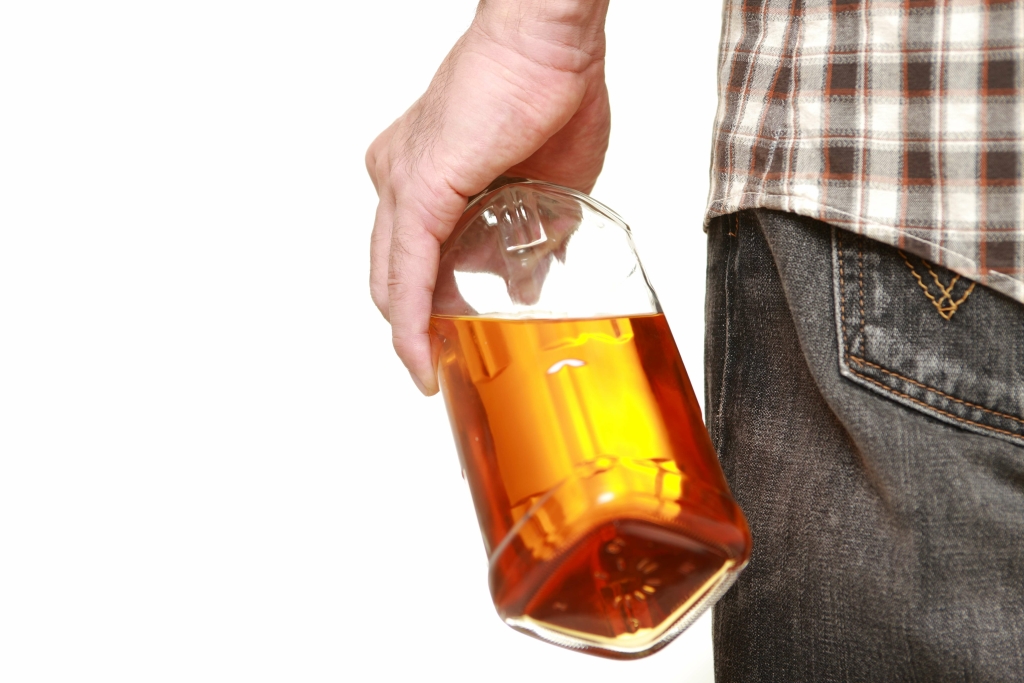
Most drivers in alcohol-related fatal crashes are male (73 percent) (NHTSA 2003a,e). In 2021, among children (14 and younger) killed in motor vehicle crashes, 25% were killed in drunk-driving crashes. Of those deaths, more than half the time (55%) the child killed was in the vehicle driven by the drunk driver. To reduce alcohol-related fatal crashes among youth, all states have adopted a minimum legal drinking age of 21. NHTSA estimates that minimum-drinking-age laws have saved 31,959 lives from 1975 to 2017.
The Consequences of a DUI
For a first-offense DUI, some states will suspend your license for only 30 days, while others might take away your driving privilege for a year or more. Learn about the risk factors of alcoholism and the different forms of treatment available. Reach out to a treatment provider for free today for immediate assistance. When operating a motorized vehicle, your judgement skills play an important role in how you make decisions. For instance, you need to be able to foresee potential problems and make clear decisions if another vehicle cuts you off. Your judgement helps you stay alert and aware of surrounding conditions while driving.

Despite this increase, men were still responsible for the majority of DUI arrests in 2012 – almost 650,000 compared with about 211,000 for women. These statistics correspond to our survey results that show 45 percent of men and 35 percent of women admitted to driving drunk. That’s why planning ahead, making personal rules about drinking and driving, knowing your transportation alternatives, and always having a few plan B’s in your mind can help ensure you never get behind the wheel after you’ve been drinking. Opt to use a rideshare app, grab a taxi, hop on public transportation, walk if it’s safe to do so, or appoint a reliable designated driver.
Taking Action Against Drunk Driving
Limiting yourself to only one or two drinks an hour can help keep you from getting too far over 80 at any point during the event. A DWI is a criminal offense in the state of Texas and applies to drivers over the age of 21 who have a blood alcohol concentration (BAC) of 0.08% or greater due to drug or alcohol use. The legal threshold is usually lower for commercial drivers, at 0.04% BAC. It’s important to note that a DWI can apply not only to alcohol but also to other substances that impair an individual’s ability to drive safely.
The path to recovery can be a struggle, marked by surgeries, therapies, and endless rehabilitation sessions. The underage DUI laws of many states—including Washington, South Carolina, and Colorado—prohibit the operation of a vehicle with a BAC of .02% or more. Other states prohibit underage drivers from operating a vehicle with any measurable amount of alcohol in their system.
Reaction Time
But most DUI convictions don’t lead to the offender spending a substantial period of time in jail. DUI laws generally specify a range of possible jail time for various types of DUI convictions. Continuing to drink in spite of a DUI conviction or https://trading-market.org/29-best-group-therapy-activities-for-supporting/ a stint in jail is often a telltale sign of addiction. Every day, about 32 people in the United States die in drunk-driving crashes — that’s one person every 45 minutes. Alcohol, no matter how much or how little, can influence your concentration.

In more than half of incidents where this occurred, the drinking driver was not the one who died (8). Traffic deaths are most likely to be alcohol related among males, Native Americans and Mexican Americans, people ages 21 to 45, those who die in motor vehicle crashes on weekend nights, and people with symptoms of alcohol Alcoholism and nutrition: a review of vitamin supplementation and treatment dependence. Fatal crash risk was at least 11 times higher for drivers with BACs of 0.08 percent, the legal limit for intoxication in most States, than for drivers with zero BACs. Fatal crash risk was 52 times higher for male drivers ages 16 to 20 with BACs of 0.08 percent, compared with zero-BAC drivers of the same age.